The Story
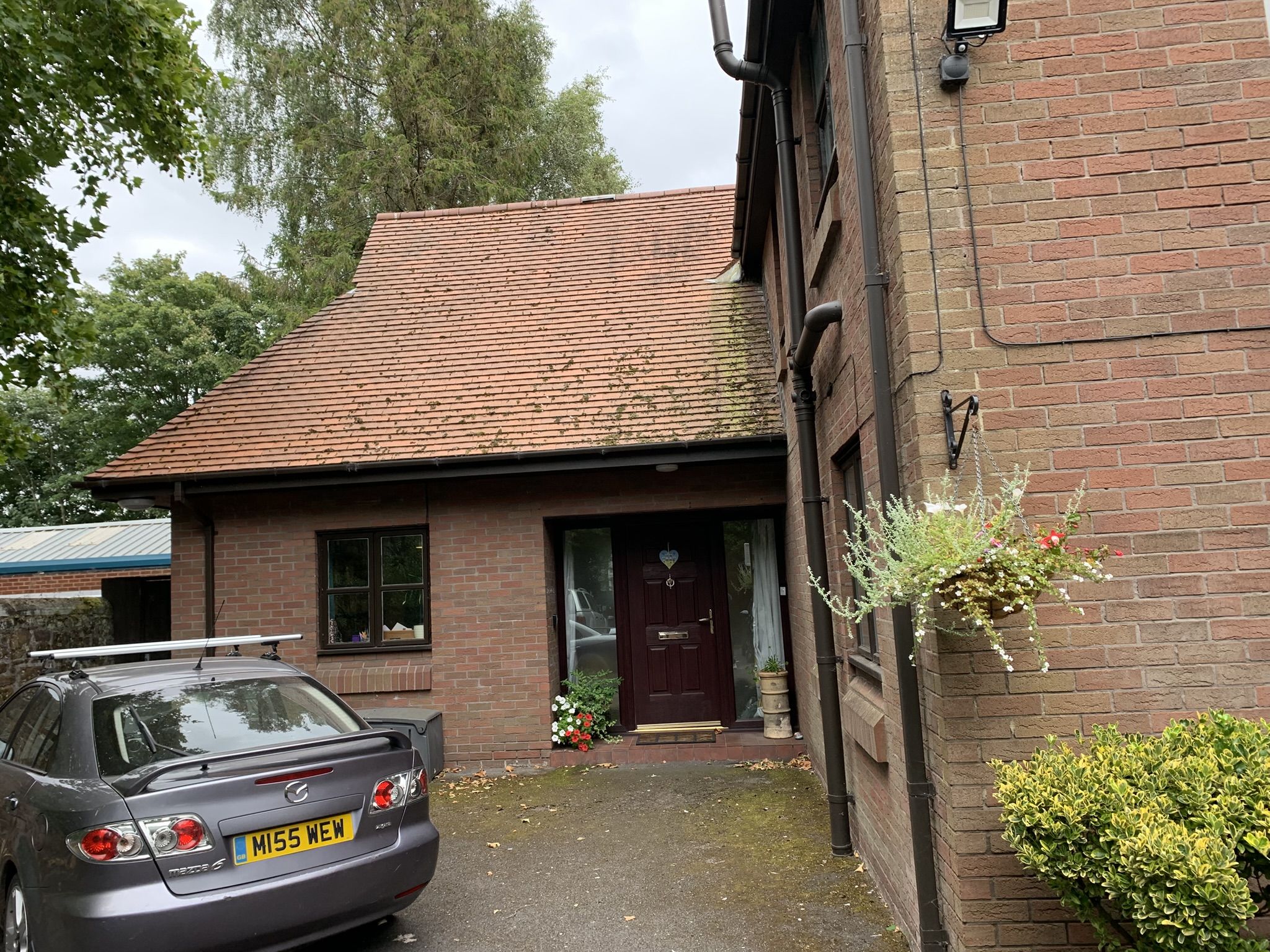
The Diocese of Liverpool appointed My Home Retrofit to help transform this 1980s clergy home into a low energy property with lower running costs and improved comfort. We began with a strategic retrofit survey to map both light and deep upgrade pathways, followed by feasibility checks including borescope inspections, heat loss calculations and DNO capacity requests.
Our M&E team designed the heating, ventilation and renewable systems, and during construction we managed the delivery of fabric upgrades, window replacement, airtightness works, heat pump installation, solar PV and energy monitoring. The project was delivered with minimal disruption to the occupants and supports the Diocese’s wider PAS2035-aligned decarbonisation programme.
Project Snapshot
179M2
Floor Area
£1485
Project Value
£65,744
Value Added
£7500
Grants
£3,881
Energy Saving PA
6.2 tCO2
Carbon Saving
5 Years
Payback Period
A
New EPC Rating
Building Fabric Upgrades
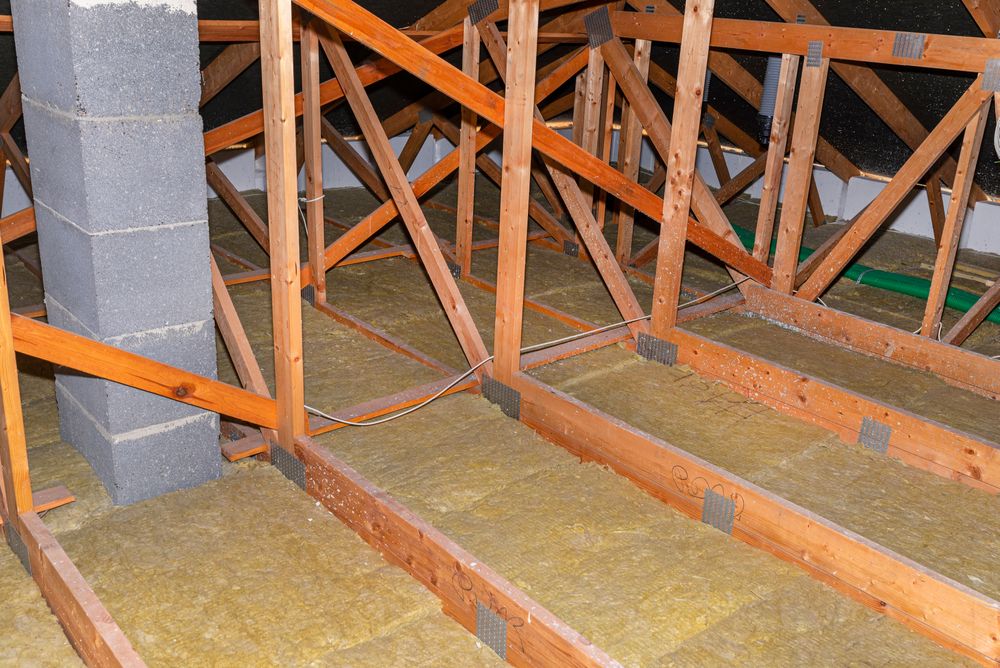
Targeted insulation and airtightness improvements were carried out to reduce heat loss and improve thermal comfort. This included installing 250mm of mineral wool loft insulation, as well as a draught proof loft hatch and re=sealing all windows, doors, pipes and cables.
Window Replacement
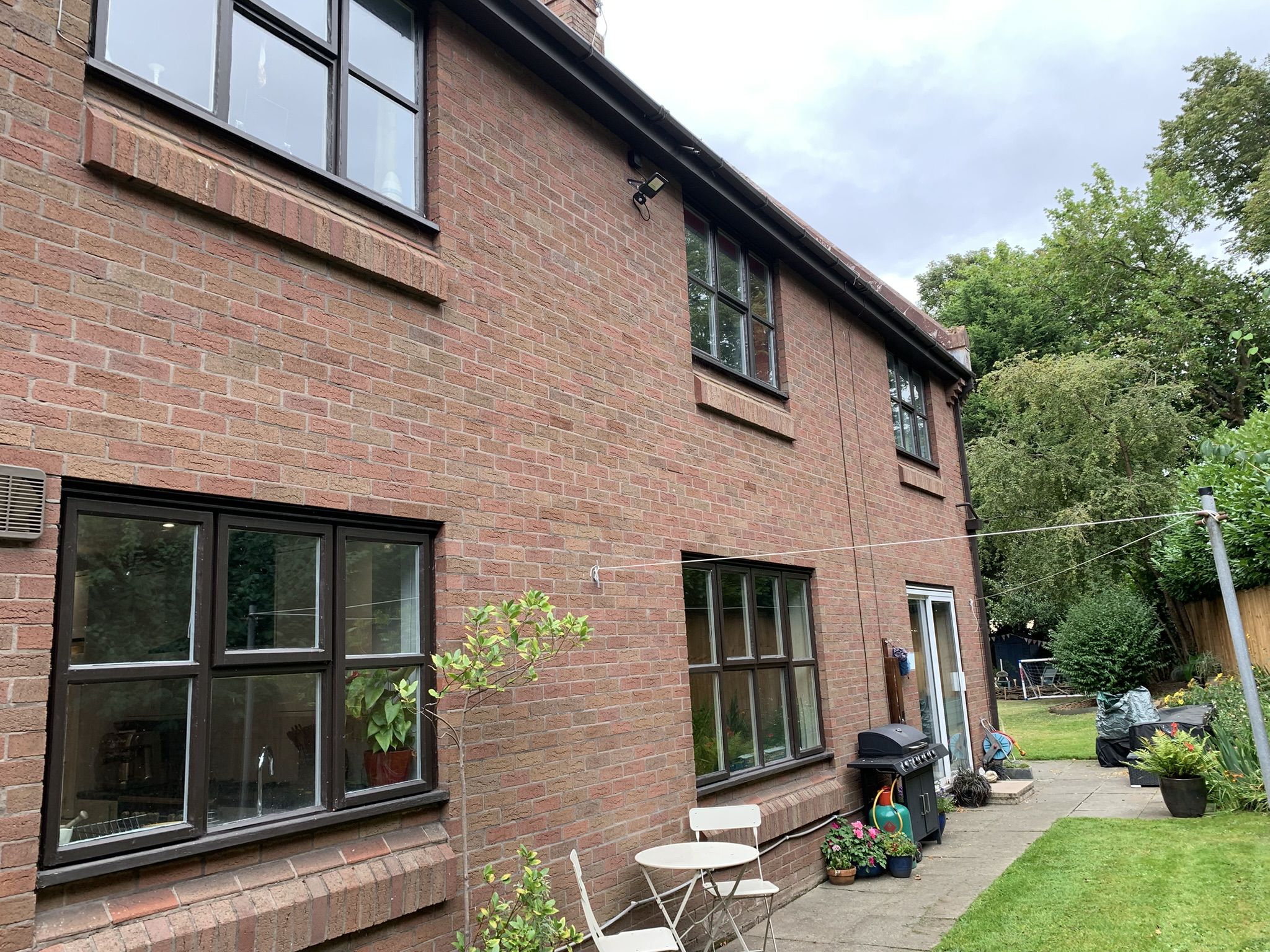
New high performance windows were installed to eliminate drafts and improve thermal performance across key rooms. This provides a noticeable uplift in warmth retention and overall comfort.
Air Source Heat Pump
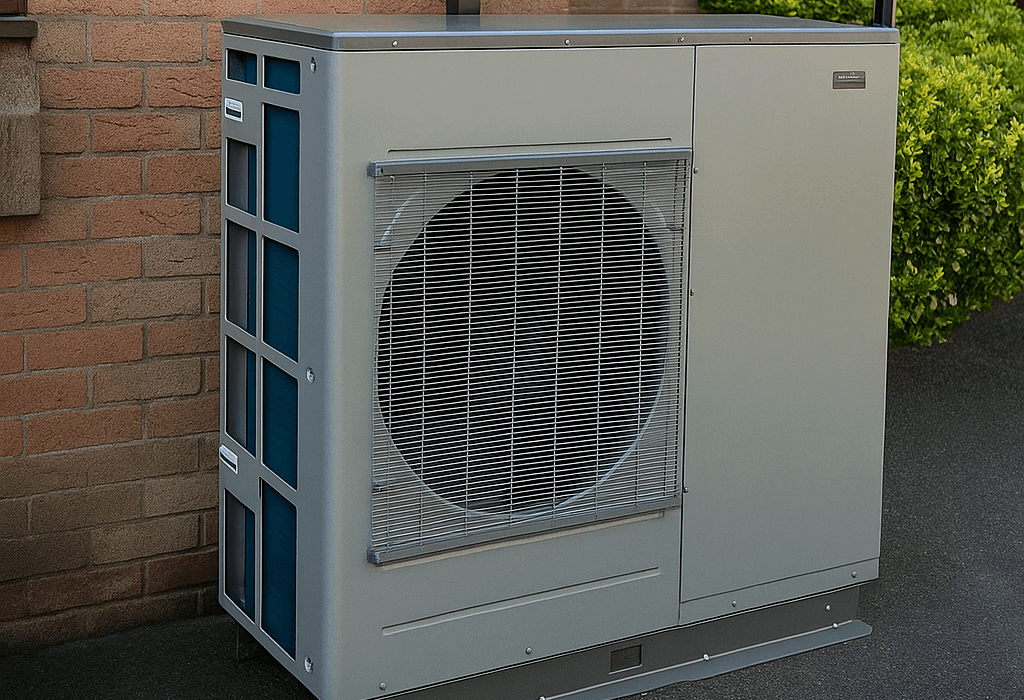
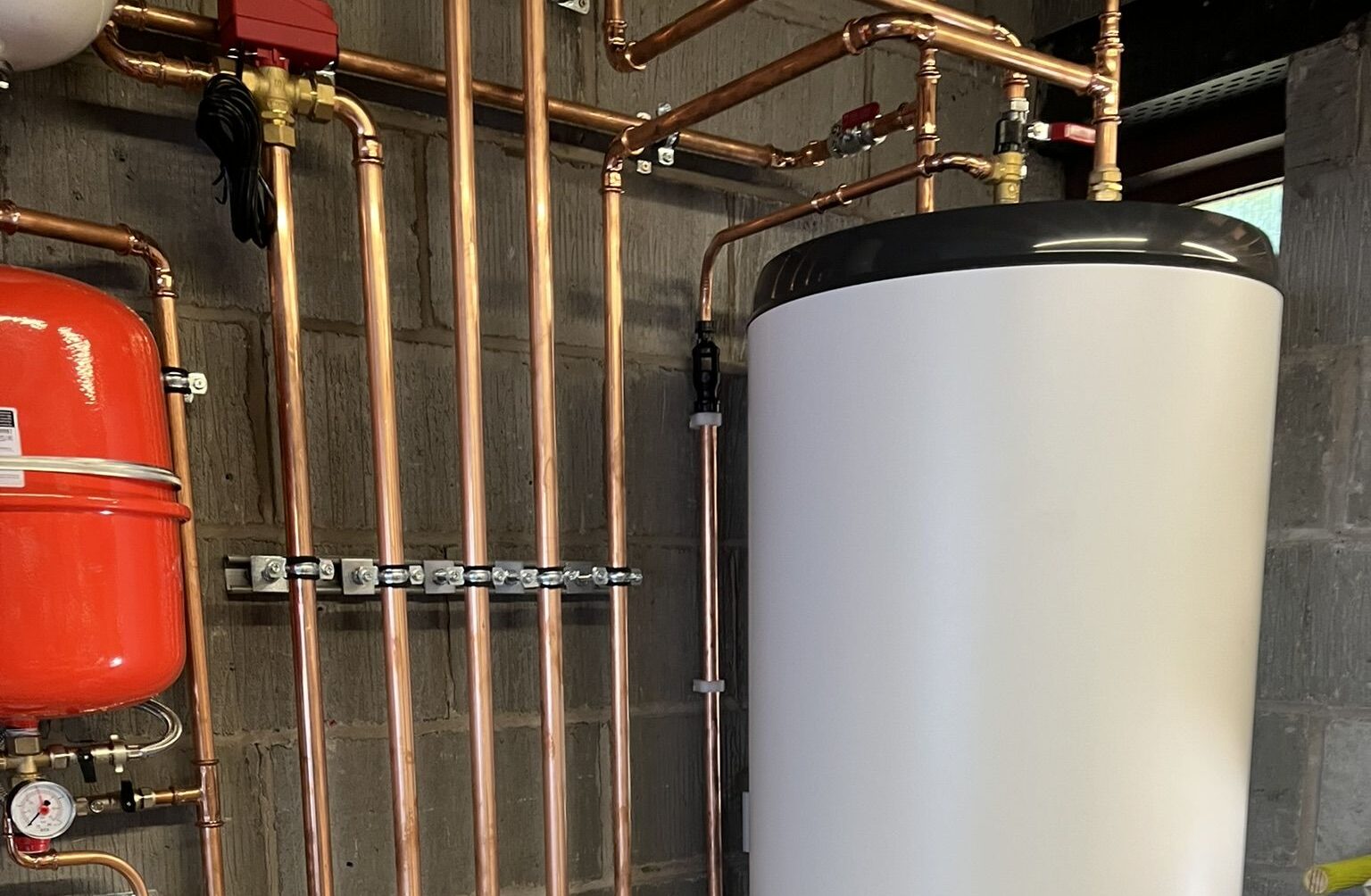
A 16kw heat pump system was designed and installed to replace fossil fuel heating. This provides efficient space heating and hot water with significantly reduced operational emissions.
Solar PV System
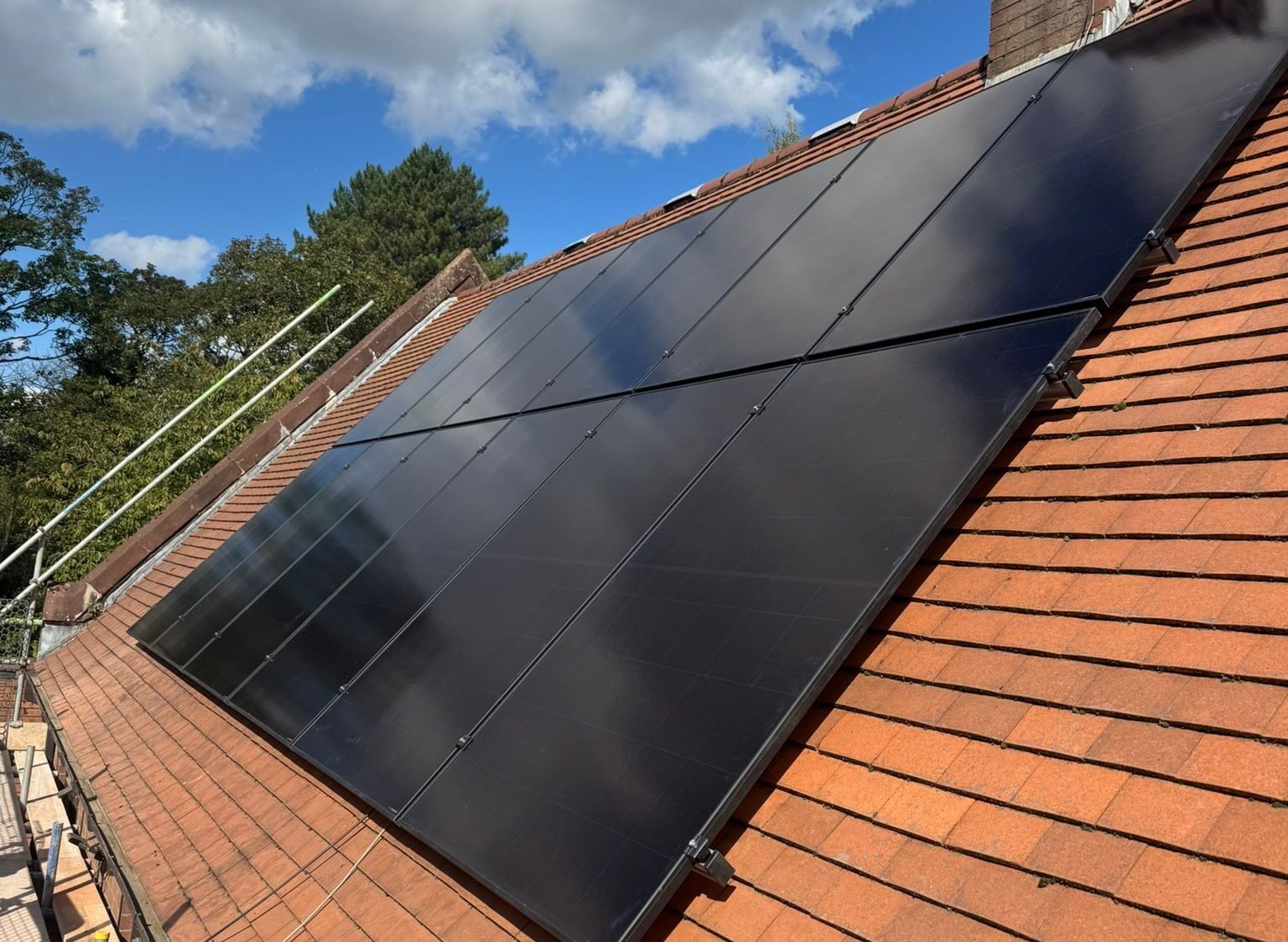
A 5.3kw Solar PV system with hybrid inverter was integrated to generate on-site renewable electricity. This reduces reliance on grid energy, cuts carbon and lowers annual running costs.
Mechanical and Electrical Design
Full M&E design and layouts were produced to coordinate heat pump plant, ventilation systems and electrical integration. This ensured all low carbon technologies were properly planned before installation.
Conclusion
This project shows how deep retrofit can be embedded into a refurbishment programme with strong outcomes for energy, comfort and cost.
By combining strategic planning, feasibility, technical design and construction stage delivery, the Diocese achieved a meaningful step toward net zero while improving the lived experience for occupants.
This is a repeatable model for faith estate decarbonisation that scales effectively across housing stock.
Our Accreditations